Renovation debris removal / Toronto
Renovation debris removal in Toronto
Move the debris plan out of the way.
Renovation debris removal in Toronto and North York. Describe drywall, tile, cabinets, lumber and access so an appropriate hauling scope can be assessed.
Define the work
Renovation debris removal,
with the details in view.
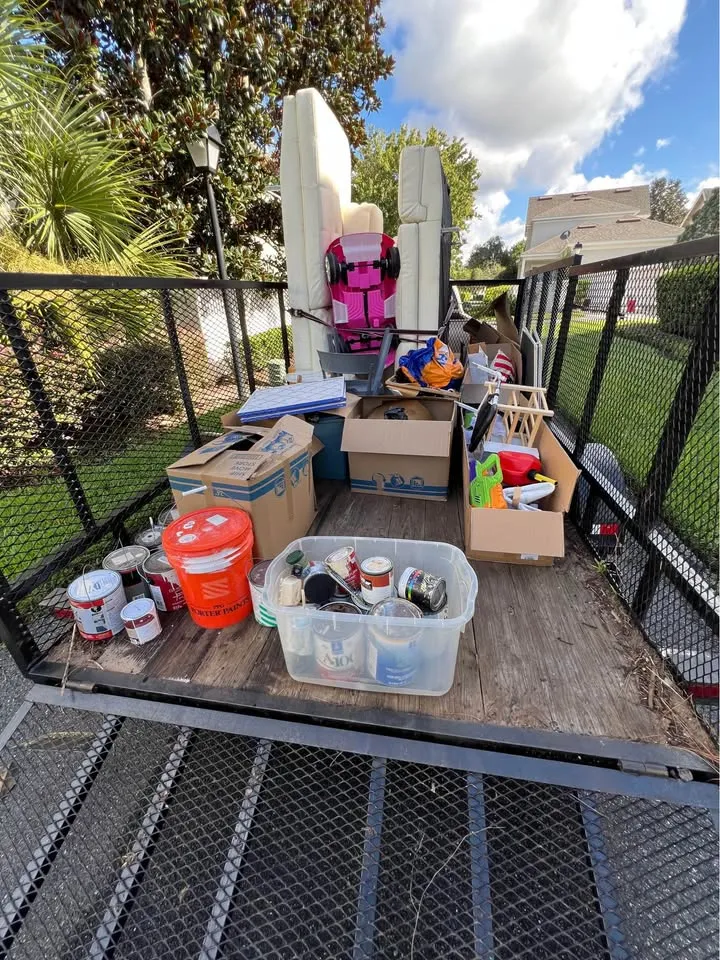
A mixed pile of cabinets, timber, tile and drywall is not one uniform load. Identify the main materials, whether they are loose or contained and where they sit on the property. Clearpath can assess debris removal on its own or alongside an agreed demolition scope.
Paint, chemicals, batteries, liquids and suspected hazardous material should not be mixed into an ordinary debris enquiry. Tell us what is present before handling is agreed. An image cannot establish that an unknown material is safe, and general hauling does not imply asbestos or other hazardous-waste acceptance.
Show the route, not just the pile
A basement stair, upper floor or enclosed yard can account for more of the work than the loading position suggests. Explain carrying distance, turns, elevators and building restrictions. Confirm whether a container or vehicle will occupy private space or a public area, with the appropriate permissions checked.
Define the collection boundary
List the waste leaving and any tools, new materials or retained items that stay. Agree whether the scope includes carrying, loading and clean-up, and what condition the area needs to be left in. Disposal or recycling outcomes should be documented for the actual arrangement rather than assumed from the word “removal”.
Before anything comes out
Keep the boundaries clear.
A useful estimate identifies responsibilities and exclusions as well as the removal itself.
- Identify material types and anything unknown or restricted.
- Confirm the carrying route and loading permissions.
- Separate retained tools and new materials from waste.
- Agree accepted materials, collection limits and the final clean-up.
A clear path forward
A practical way to get started.
Show the removal
Identified drywall, timber and mixed renovation debris. Identify what needs to stay alongside it.
Resolve the conditions
Identify material types and anything unknown or restricted.
Confirm the handover
Agree accepted materials, collection limits and the final clean-up.
Through the lens
See the removal in context.
Local to the conversation
Across Toronto, the GTA and beyond.
We provide this service across our GTA and surrounding Southern Ontario coverage. Send the job address and proposed work so we can plan the right next step.
See the coverage directoryCan debris be removed without demolition work?
Can asbestos debris go in the same load?
Do I need an exact weight?
Connected to your project
Other work you might need.
Property clear-outs
Property clear-outs in Toronto and North York. Plan unwanted contents removal from garages, basements and rental spaces with clear ownership and access instructions.
Flooring removal
Flooring removal in Toronto and North York. Discuss tile, wood and other finish layers, retained substrates, access and the condition needed for the next floor.
Junk & debris removal
Clearing a room, garage or renovation site starts with the same questions: what is leaving, where is it, and how can it be carried out? Tell us about the load and the access.
Useful preparation
Read before you remove.
Planning demolition with limited access
A narrow stair, rear-yard route or managed-building entrance can shape a removal job. Explain the full route before agreeing on the scope.
Read the guideUseful photographs for a demolition enquiry
Show the removal, retained areas and access route with a small, purposeful set of photographs. Leave unsafe areas and unknown materials undisturbed.
Read the guidePut your scope into words.
Use the planner to organise what goes, what stays and what needs checking.
Plan this projectYour next step
Let's work through your project.
Tell us about the property, the removal and what comes next. We can start with the scope.