- Designated substances
- OHSA
- Owners
That short answer covers most situations, but the details matter when you are planning a teardown or gut renovation in Toronto. Here is how the duty works in practice and what it depends on.
1. What the law actually requires
Section 30 of the Occupational Health and Safety Act (OHSA) says that before beginning a project, the owner shall determine whether any designated substances are present at the project site and prepare a list of all designated substances that are present. The owner must then make sure that list goes into the tendering information, so every prospective contractor sees it before they price the work.
The contractor who wins the job has a matching duty: it must pass that list to every subcontractor before they sign on. If an owner fails to do this and a contractor suffers loss as a result, section 30 makes the owner liable to the contractor for that loss.
2. Which substances count
Ontario regulates eleven designated substances. On a typical Toronto house or commercial unit, the survey focuses on the ones that realistically turn up in building materials:
- Asbestos, in plaster, drywall compound, vinyl floor tile, pipe insulation, vermiculite and some roofing.
- Lead, mostly in older paint and some plumbing.
- Silica, in concrete, masonry, mortar and tile, which matters as soon as anything is cut or broken.
- Mercury, in thermostats and fluorescent tubes.
- Less common items such as arsenic or PCBs in older electrical equipment.
3. Who is the owner
In most residential jobs the owner is simply the person who holds title and is paying for the work. On commercial jobs it can be less obvious. A landlord who orders a strip-out is the owner. A tenant who hires a contractor directly for its own fit-out may be treated as the owner of that project. Where it is unclear, settle it in writing before tendering so nobody assumes someone else ordered the survey.
Owners do not have to do the survey themselves. They hire a qualified environmental consultant, who inspects the building, takes samples and sends them to a lab. The legal duty to have it done, though, stays with the owner.
4. When a survey depends on the situation
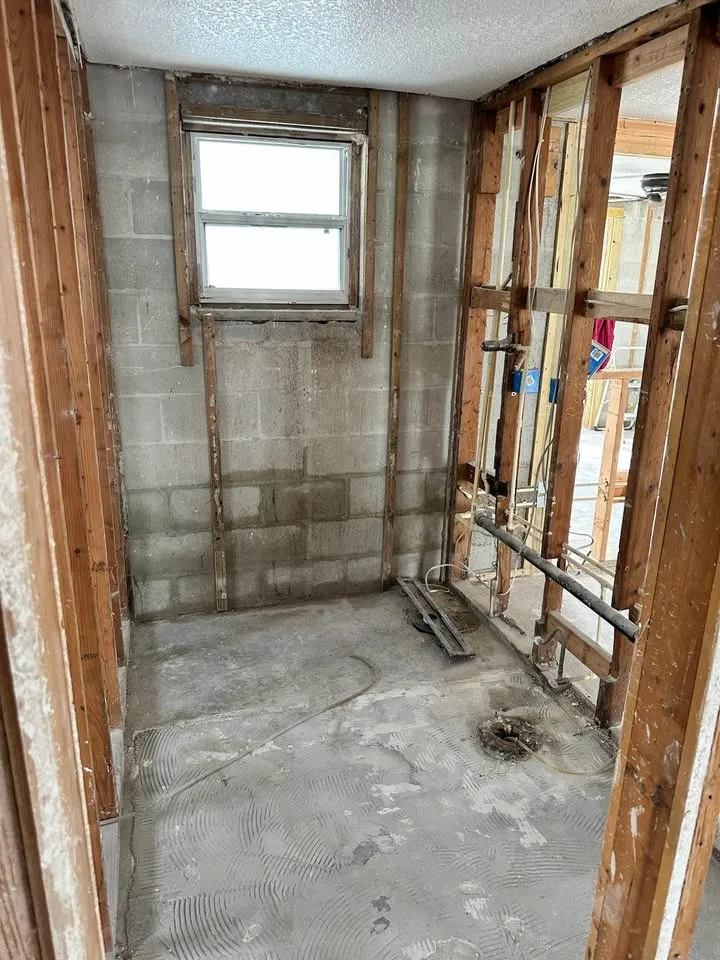
The survey's scope depends on the building's age, the extent of the work and what will be disturbed. A full teardown needs the whole building surveyed. A single bathroom gut might only need the materials in that room tested. Very new buildings may have a short survey. The age of the building does not remove the duty, but it does affect what the consultant expects to find.
5. How it ties in with asbestos rules
If the survey finds asbestos, the separate asbestos regulation, O. Reg. 278/05, governs how it is handled and classifies the work as Type 1, 2 or 3 depending on risk. Asbestos that will be disturbed usually has to be removed by a qualified abatement contractor before general demolition begins. We cover that step in what happens when the survey finds asbestos.
6. How long a survey stays useful
A survey describes the building at the time it was done. If more work has been done since, or the new project disturbs areas the old survey did not cover, ask the consultant whether it needs updating before you tender.
7. What we do about it
We will not start residential demolition or interior demolition without the survey in hand. If you do not have one yet, we can recommend independent consultants so you can commission it, and we build the survey's findings into our written scope so the removal sequence matches what was found.
If you are planning a project and are not sure whether a survey has been done, book a free estimate and we will go through it with you on the site visit.
Frequently asked questions
- Can the demolition contractor do the survey?
- The survey is normally done by an independent environmental consultant with lab testing. The owner commissions it, and the contractor relies on it.
- Does a house built after the 1990s still need a survey?
- The duty under OHSA section 30 applies regardless of age. A newer building's survey may be short, but the owner still has to determine what is present.
- What happens if no survey was done?
- Work should not start. If a contractor proceeds and finds asbestos, work stops until it is assessed, and an owner who skipped the survey can be liable to the contractor for losses.
- Is a Designated Substance Survey the same as an asbestos survey?
- An asbestos survey is one part of it. The Designated Substance Survey covers all regulated substances, including lead, silica and mercury.