- Demolition control
- Planning Act
- Residential
The aim is to stop homes being torn down and left as vacant lots. Here is how it works and what it depends on.
1. Where the power comes from
Section 33 of the Planning Act allows a council to designate an area of demolition control by bylaw. Inside that area, nobody may demolish a residential property without a demolition permit issued under that section. Toronto's bylaw covers the whole city, so this applies to houses in North York just as much as downtown.
2. How it works in practice
Most homeowners never see the Council side of demolition control, because they apply for a replacement building permit at the same time. When a building permit for a new house is ready to issue, the Chief Building Official can usually issue the demolition permit as well.
If you want to demolish without a replacement building permit, for example to clear a dangerous or fire-damaged house before plans are ready, the application may go to Community Council or City Council. That takes longer, and the City can attach conditions, such as a deadline for building the replacement.
3. What it depends on
Whether and how demolition control affects you depends on:
- Whether the property is residential. Commercial and industrial buildings are not covered by residential demolition control.
- Whether you have a replacement building permit ready.
- Whether the building contains rental housing. Toronto has separate rules for demolishing rental units in buildings above a set size.
- Whether the building is unsafe. An order under the Building Code Act can change the timing.
- Heritage status, which brings its own approvals.
4. Fire-damaged and unsafe houses
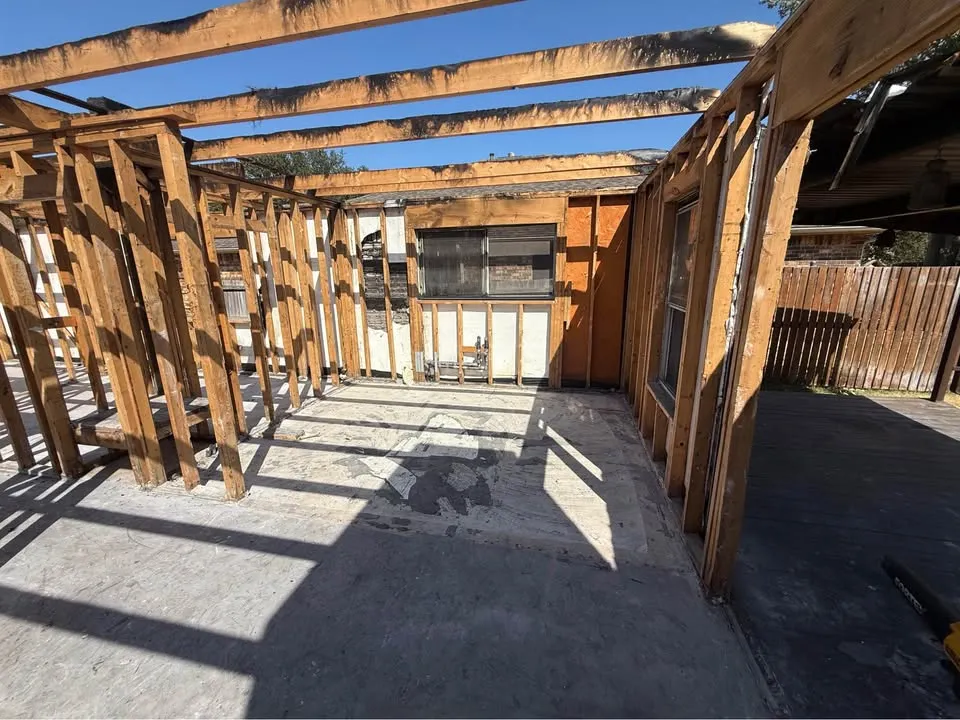
Fire-damaged homes are a common exception in our work, as you can see in several of our residential demolition photos. If the City's building officials find a structure unsafe, they can issue an order that allows or requires demolition sooner. Otherwise the normal demolition control process applies, even to a badly damaged house.
5. Accessory buildings
Garages and sheds on a residential lot generally need an ordinary demolition permit, but they are not usually the reason demolition control is triggered, since the concern is the loss of dwelling units. If a garage contains a dwelling unit, check with Toronto Building first.
6. Timing and planning ahead
Because demolition control links the demolition to the replacement building, the design and permit timeline for the new house usually sets the demolition date. Owners are often surprised that the demolition permit cannot be issued the moment they apply.
The practical answer is to start the conversation early. If your architect or builder knows when the building permit is likely to be ready, we can line up the survey, disconnects and crew so the demolition follows straight away. That keeps the lot from sitting empty and avoids paying twice for site fencing.
7. What we do about it
We ask about your replacement plans on the first visit, because they set the permit route. Where you have a builder, we coordinate so the demolition permit issues alongside the building permit. Where you need to clear a site first, we explain the likely timeline before you commit. Get a free estimate to start, or read about clearing a house after the permit.
Frequently asked questions
- Does demolition control apply to commercial buildings?
- No. Residential demolition control applies to residential property. Commercial demolitions still need a regular demolition permit.
- Can I demolish a house before my new plans are approved?
- Possibly, but without a replacement building permit the application may need Council approval, which takes longer and may carry conditions.
- Does it apply to a detached garage?
- A garage needs a demolition permit, but demolition control focuses on dwelling units. A garage without a dwelling unit is usually straightforward.
- What if the house is unsafe after a fire?
- An order from a building official can change the timing. We work with the owner and insurer once any order is issued.